Surgery Prep: Colonoscopy, Endoscopy, & Digestive health
After years of chronic pain, I learned that tracking my symptoms was critical to identify trends and have a record for my doctors. So, of course, when I had my annual physical, I arrived with lots of info and test results. By March 2025, I was experiencing enough chest and rib pains that they warranted a discussion. Based on previous findings and current symptoms, the doctor agreed that the next stop was to see the gastroenterologist.
Background
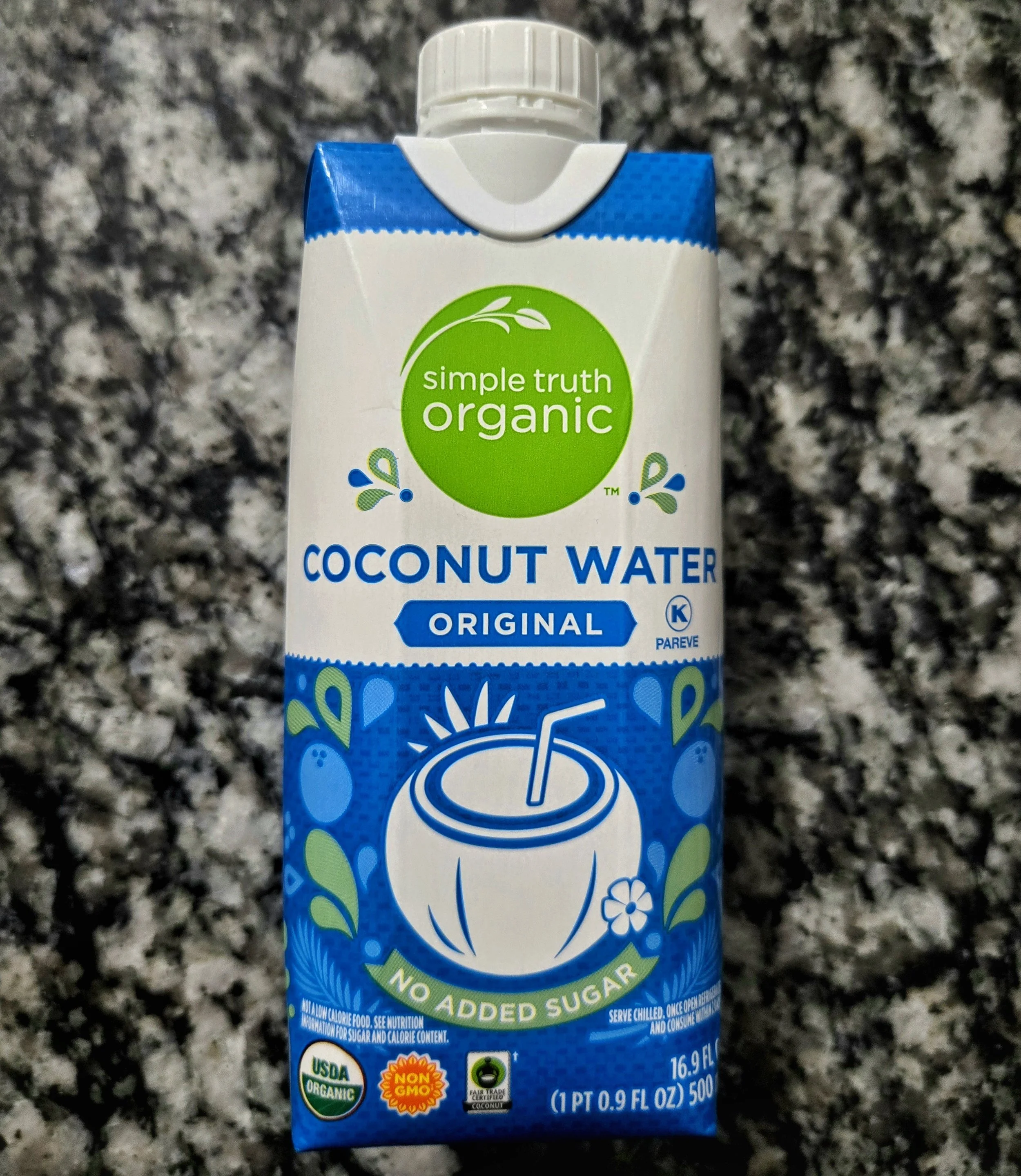
This wasn’t my first rodeo with a gastroenterology office, as I previously was referred for the reoccuring abdominal pain I was experiencing. I had a colonoscopy and endoscopy in my mid-20s based on family history and lab results. Since screenings typically start at 45, it was quite surprising to prepare for these procedures at this early age. While my peers had nights out recovering with electrolytes, I was at home planning colonoscopy prep and hydrating with electrolytes. FYI - A straw is crucial for getting through the colon prep solution.
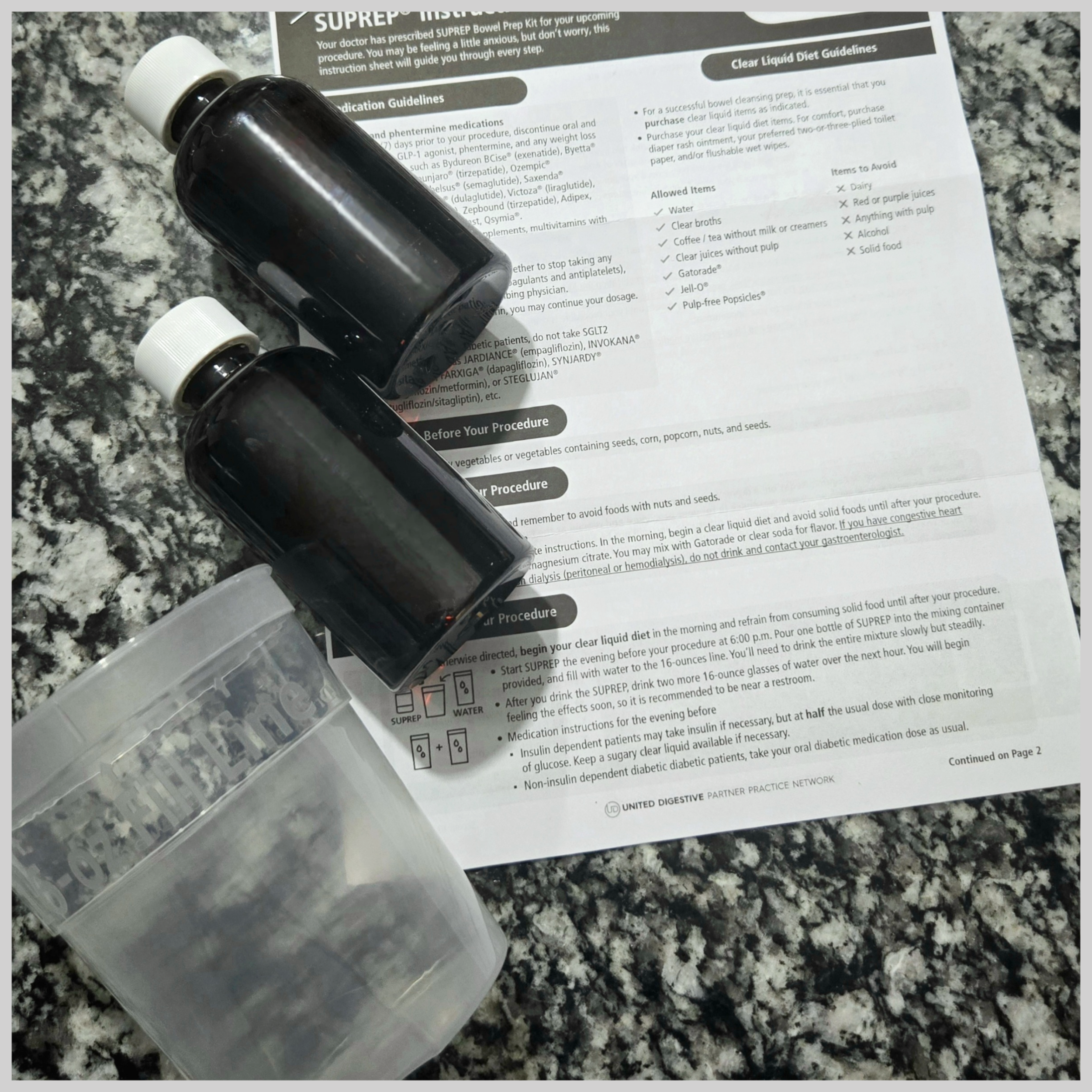
Colonoscopy Prep
Tobe the 1st time, the results were unexpected to say the least - a hiatal hernia, gastritis, esophagitis, and internal hemorrhoids. I hadn’t experienced heartburn, but the findings meant that acid reflux had been irritating my body. I also needed more fiber in my diet. I started meds to decrease the amount of acid produced by the stomach and made diet changes at this point. I got relief, stopped meds, and didn’t think much about it as my symptoms quieted.
The Road to Surgery
Nearly a decade later, I was better prepared for this gastroenterology appointment. I showed up with previous examination results and a full history to share. Based on unexplained anemia and other symptoms I experienced after eating, she scheduled a colonoscopy and endoscopy to check if any bleeding was occurring. Surprisingly, there were no signs of a hernia despite not having repair surgery. Thankfully, the results also showed no bleeding or polyps, and my plant-based diet packed with fiber was keeping my insides clear.
But we were still seeking answers for the anemia and gluten-sensitivity, so she ordered a capsule endoscopy aka a pill cam. It’s exactly what it sounds like - a mini pill-sized camera that I had to swallow. This was new to me, so I went down a rabbit hole researching this procedure. The pill cam focuses on the small intestine and requires wearing a belt with a data recorder for 8 hours that takes images every few seconds. The scan confirmed that I did not have any bleeding or celiac disease, but the gastritis, chronic inflammation of the stomach lining, was still present. Ultimately, ruling out things was beneficial in preparing for surgery.
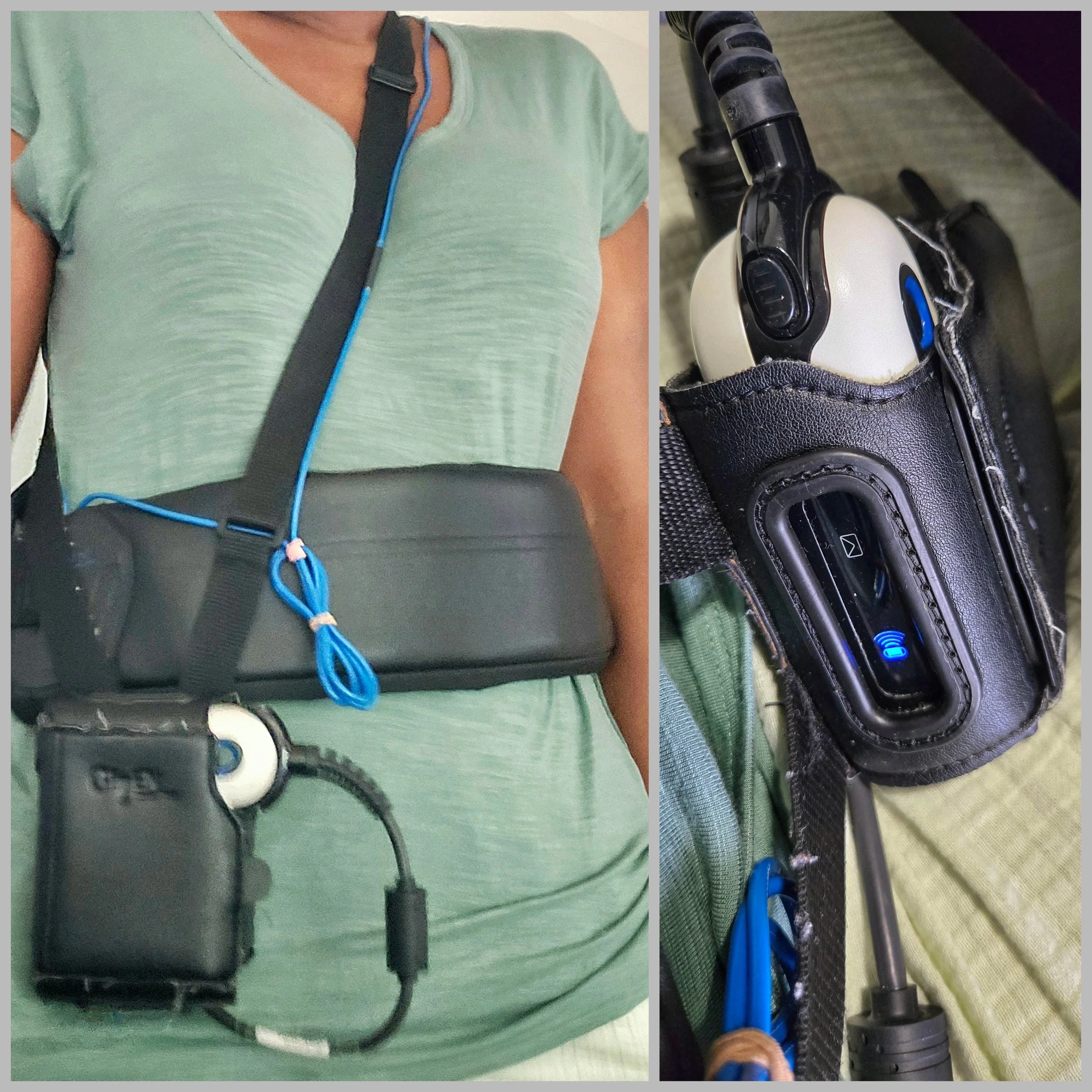
Pill cam belt & recorder
Procedure Recovery
Recovery after each procedure wasn’t overly complex but varied by type. The timing for reintroducing foods was key to not overburdening my digestive system.
Colonoscopy & Endoscopy
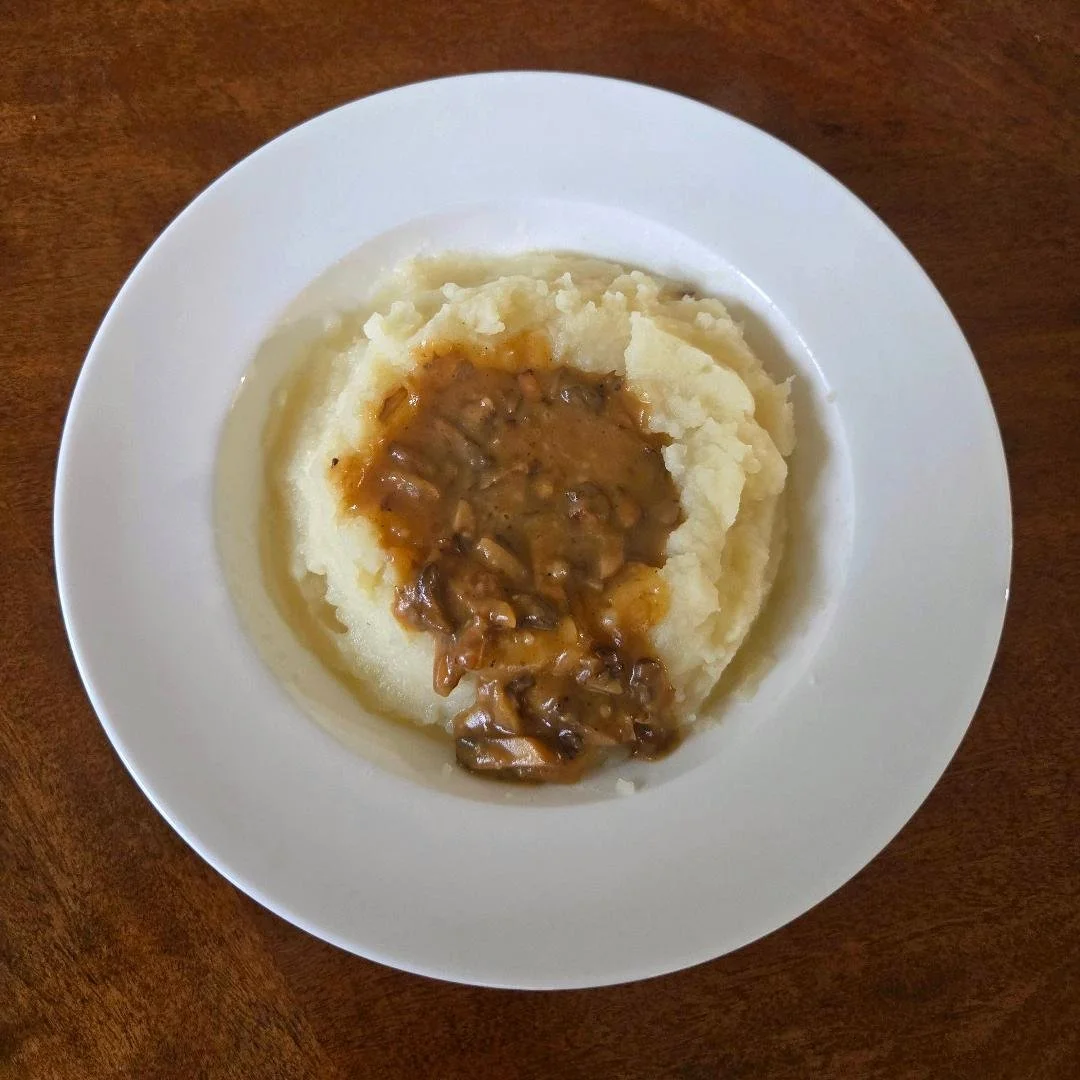
A traditional colonoscopy and endoscopy require anesthesia, so you can’t drive and may be a bit drowsy following the procedures. Honestly, food was actually the last thing on my mind. I just wanted to get in bed and go back to sleep. When I did finally get up, I was ready to eat. After days of following a restricted diet, you may be tempted to treat yourself to something juicy or fried. Continue the low fiber and easy-to- digest options to avoid bloating. A simple bowl of mashed potatoes with mushroom gravy tasted amazing after the bland diet. Within 24 hours, I was able to resume my high-fiber diet with veggies and nuts.
Pill Cam
While the camera is transiting your intestines, I had to adhere to a food schedule. There's no eating or drinking for the first 2 hours after swallowing it, and then only light foods are permitted at 4 hours. Once you hit 8 hours and return the equipment to the doctor, you can resume eating. The most stressful part was checking for excretion of the capsule. I’ll spare the details, but you want to make sure the device remains inside for the full test and finally releases on its own.
Food Ideas
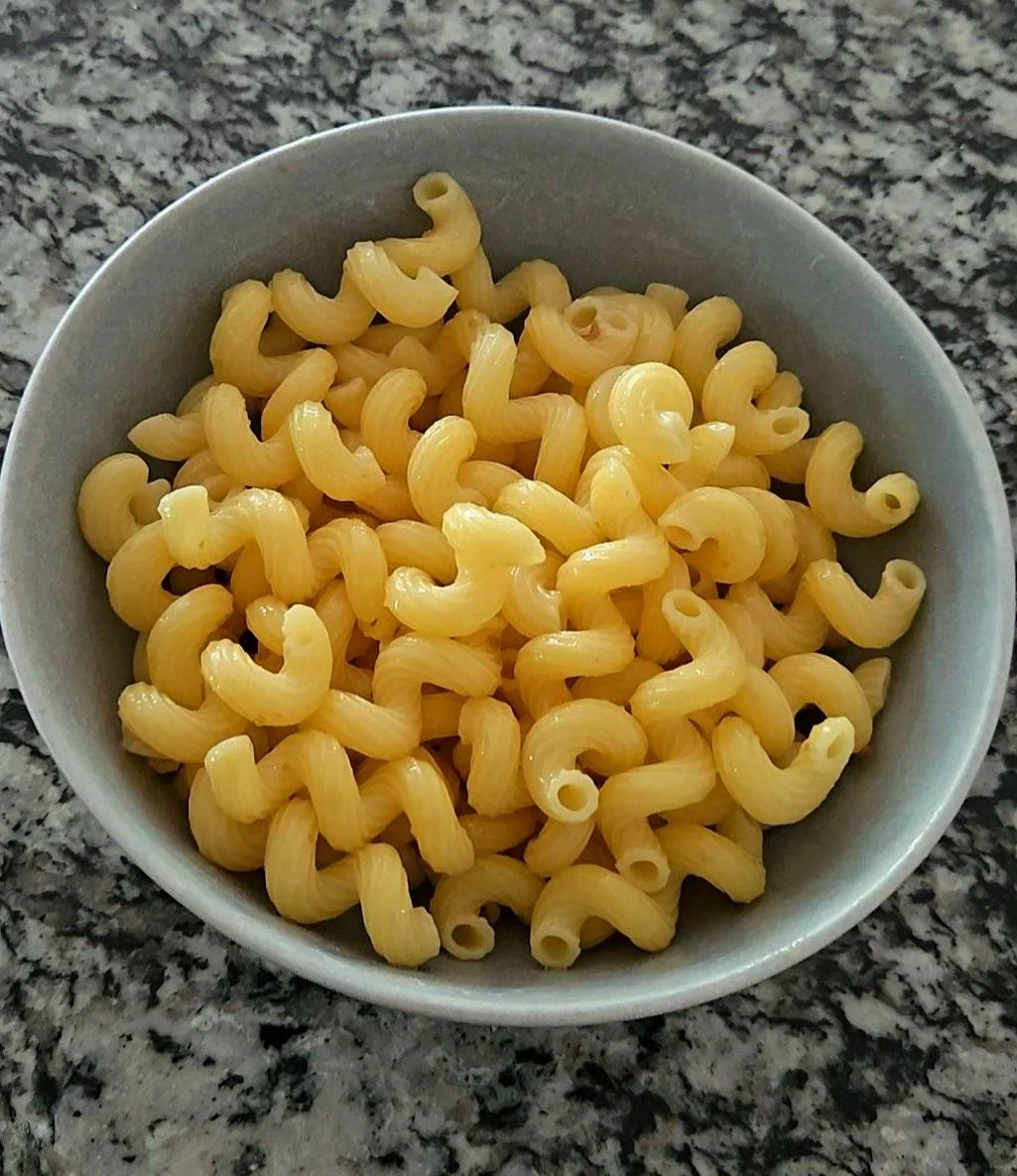
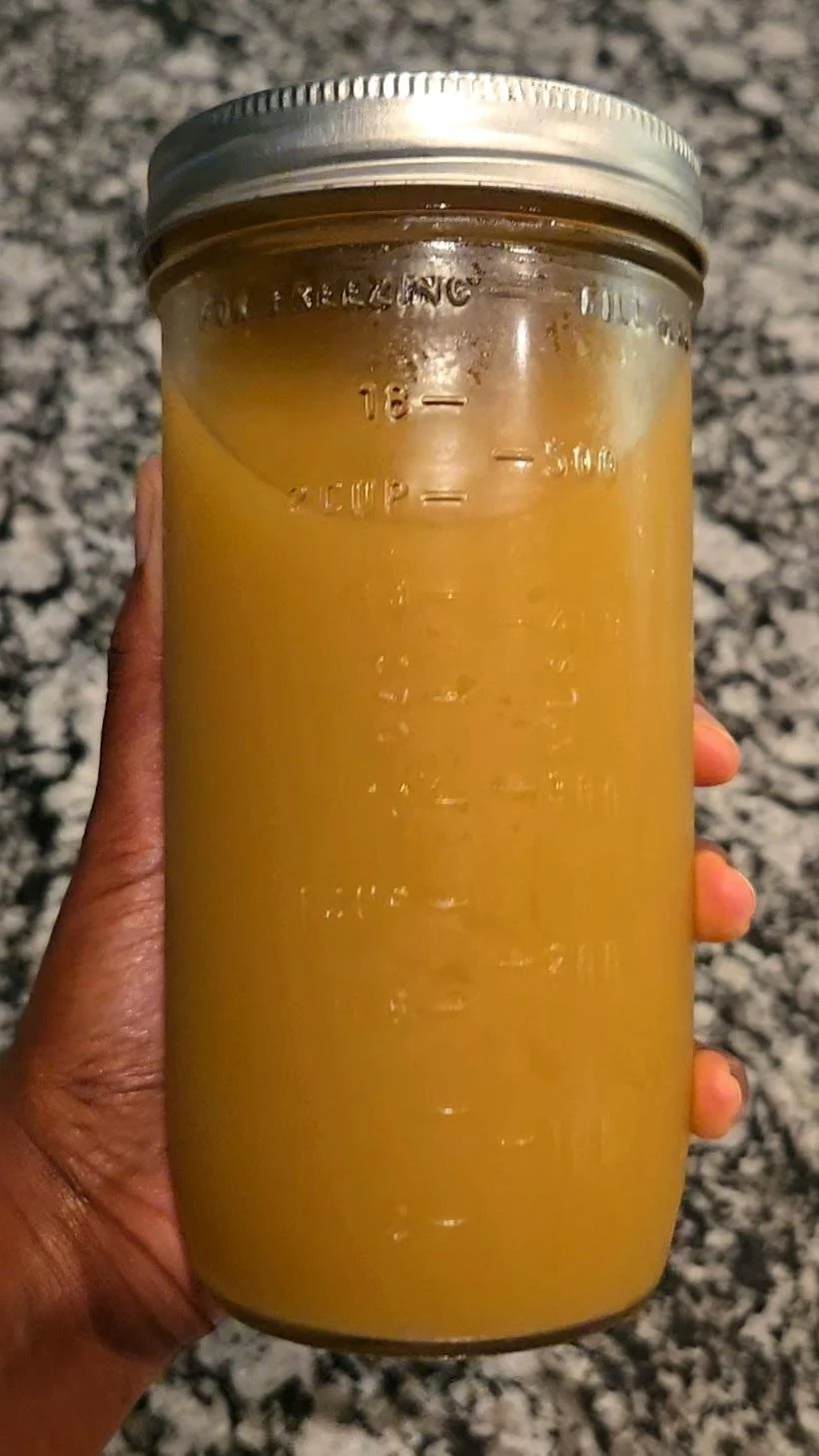
Low residue, no dairy, meatless, gluten-light, and plant-based … whew!! This got challenging really fast. But it was only a few days, so I let repetition make things easier. These were my go-to options for the days leading up to clear liquid period.
Breakfast: ripe bananas with creamy peanut butter, baked cinnamon apples without skin, low fiber cereal
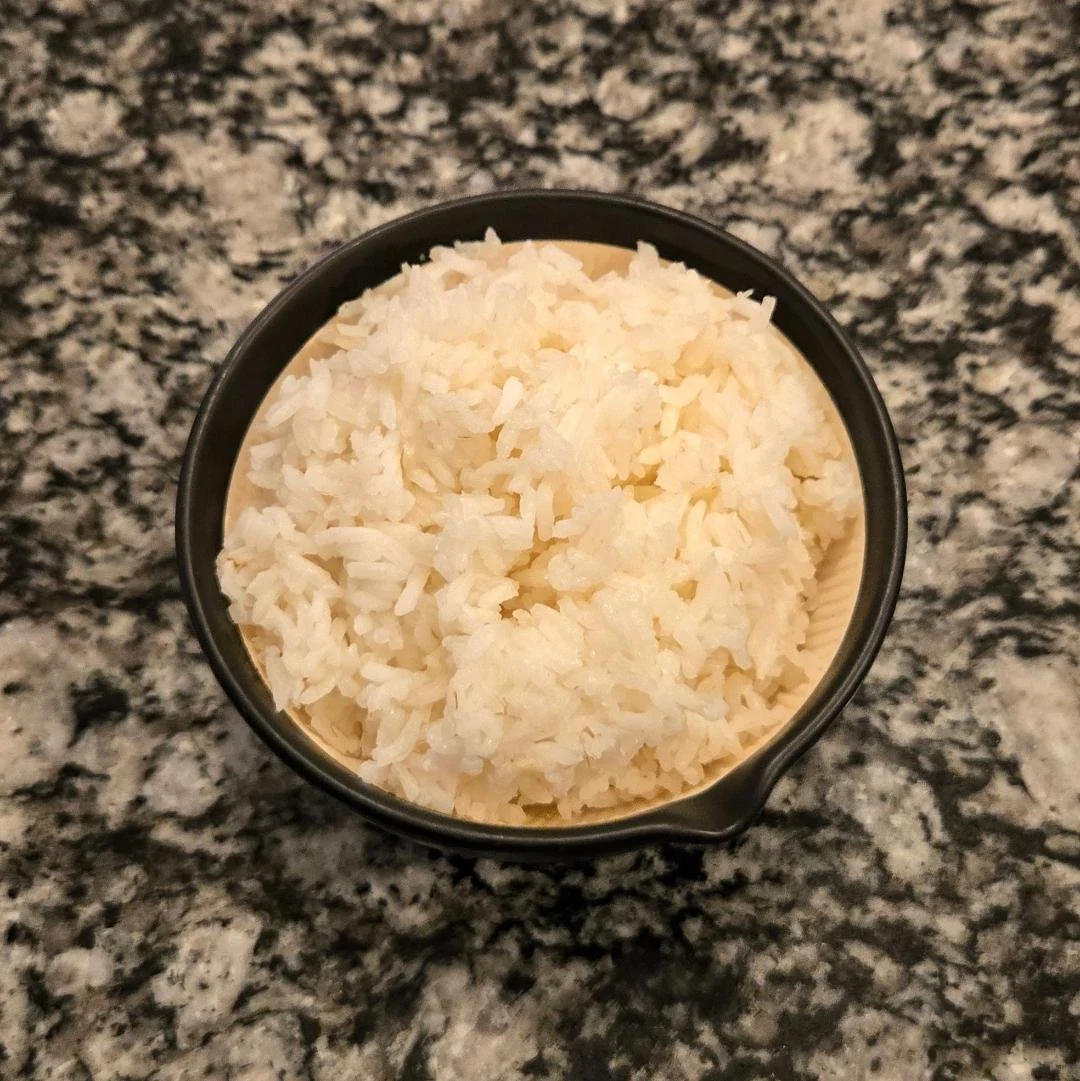
Lunch & Dinner: white rice, veggie broth, white pasta, mashed potatoes, cooked vegetables like carrots and zucchini/squash without the seeds
Snacks: applesauce, peeled fruit, dairy-free yogurt, popsicles,
If you would like to learn more about making the transition to a plant-based lifestyle, consider one-on-one coaching, the Rooted in Balance signature program, or another service that works for you.